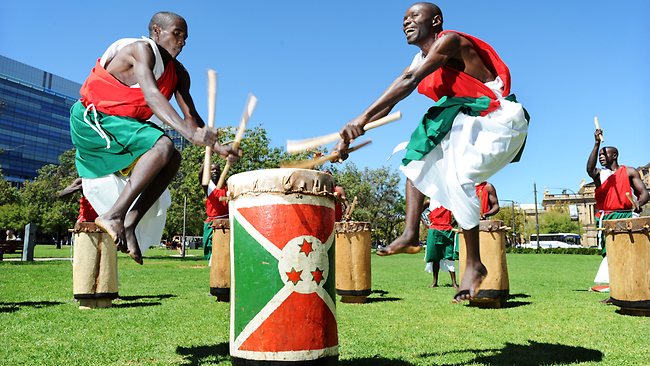

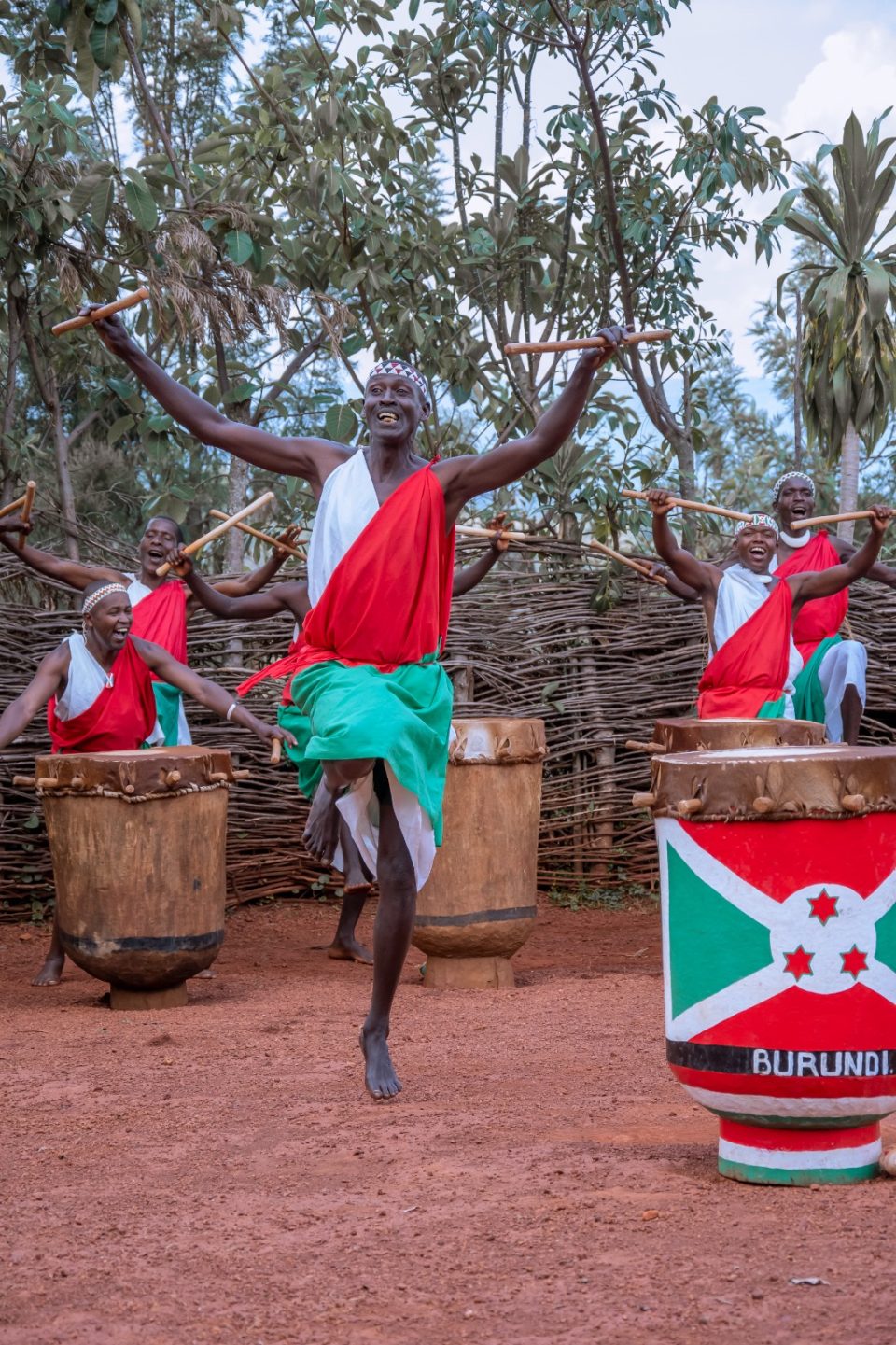
In 2014, Burundian drum have been included and recognized in the world heritage of humanity, as done by the United Nations Educational, Scientific and Cultural Organization (UNESCO)
These drums have long been a cherished symbol in Burundian culture, from the reign of the first king, Ntare Rushatsi Cambarantama, who is credited with the existence of the first known drum, called Karyenda.
Today, we aim to explain the names of the different types of drums to better understand their meanings.
When played by drummers, each drum and movement carries specific significance. As explained by Mr. Duniya Abedi, a veteran drummer and traditional artist who began drumming at the age of 11 in 1982 and continues to this day, every behavior and gesture has a particular meaning.
This esteemed figure in Burundian culture emphasizes that understanding these nuances enriches the appreciation of the drumming tradition.
The drums, as we see them, are different and each has its own specific name.
As explained by Duniya Abedi during the cultural evening ‘Rinjora’ held in December 2024, these drums are arranged in an orderly line, and each drum in front has a specific name. He also explained what it means when the drummers position themselves in front of them.
Duniya Abedi said:
- The drum that stands at the front, painted in the colors of the national flag, is the one attributed to Karyenda. It is the leading drum. It symbolizes the ruler (Nyen’Inganji).”
- Then come the powerful drums, those that produce a strong rhythm and loud sound. These are compared to people close to power, such as ministers and legislators.
- Next come the small drums, ‘Amashāko’, which are drums that do not alter the rhythm, and are compared to the citizens.
- This person who is about to dance during the drumming, before starting to dance, he passes close to the front drum, which is taken as if they are being invested and ready to take an oath according to the drum culture.
The drummers then take the drumsticks and pass them around their necks, symbolizing the oath. Sometimes, they pass them around their arms, which means that if they betray this oath, they will be decapitated or dismembered. When they are about to dance, these drums follow their movements, as they are giving orders according to the same culture.
- Once he has finished dancing, he moves away and heads towards this small drum called ‘ishako’. This means that he is no longer in power and has become an ordinary citizen. He then continues to play this drum while respecting the orders of the new leader, as a citizen listens to and follows the law.
- We will then note that when the ‘Ishako’ drum is played badly, it is easily noticed. This means that the citizen has refused to follow the laws, which becomes obvious and shows that they are defying the authority.
- The drums remind us of the clothing of our ancestors, where Burundian men of the past were taught to expose his chest, a symbol of power and the ability to protect the family as well as the country.
In summary, these drums show how the country was organized in terms of power. When we see the drummers dancing harmoniously, they are showing how order should be maintained at the national level, between the authorities and the citizens.